
Services

Alaska-Tough Pest Control

Bed Bugs

Bed bugs travel easily in luggage, clothing, bedding, and furniture, making them a common concern in Alaska homes and lodging facilities.
Eagle Pest Control was the first in the state to introduce a certified bed bug detection dog program and now operates with two trained K-9s. We are also the first and only company in Alaska to offer Thermal Remediation®, a people-friendly, highly effective heat treatment.
Our specialized equipment raises temperatures above 135 degrees to eliminate bed bugs and their eggs wherever they are hiding. This treatment is well suited for homes, hotels, dormitories, and managed properties. Ask about our 90-day warranty.
We offer heat treatments to get rid of bed bugs instead of conventional treatments, which can take up to 3 or 4 months. Benefits of our heat treatments include:

  • 100% effective at eliminating all bed bugs and their eggs
  • Kills all adults, all nymphs, and eggs
  • Room is available to use usually the same day as treatment
  • Kills bugs inside mattresses, box springs, or wherever they are hiding

Bed Bug Detection & Habits

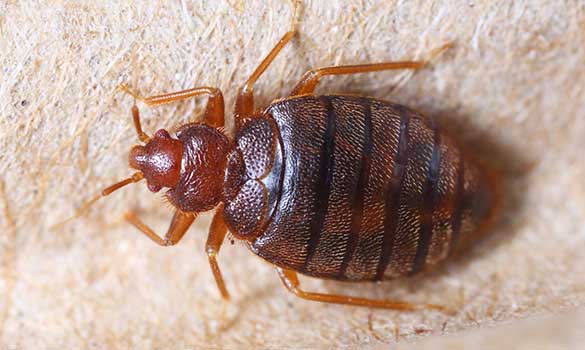
Bed bugs are small, wingless insects that feed on people (or animals in a pinch). Mostly at night. Bed bugs get their name because they like to hide around beds and mattresses. Still, bed bugs can live on the nightstand, your headboard, luggage, clothing, carpets, curtains, baseboards, couches, and just about any place where humans are regularly present. They are nocturnal and very hardy. They can hibernate for a little over a year without a meal. They travel by hitchhiking on you or your clothes, luggage, and furniture until they find a new home with a source of food (you).

What to look for:

They leave dark-colored spots on the mattress and the box springs usually as well as any other area they are nesting in. They shed their skin six times in their life, so you will find “shed skins” from them around the nesting sites.

Bed bugs tend to feed at night while people are sleeping. Most of the time, people cannot feel them bite. Bed bugs are not known to pass on any diseases to humans. Bed bug bites often cause redness and some swelling. If a bite is opened up from scratching it, it can become infected. Most of the time, they bite in straight lines. The most common is three bites in a row. They are commonly called Breakfast, Lunch, and Dinner. Approximately 30% of bed bug victims do not show any evidence of bites.

What do bed bugs look like?

Bed bugs are about 3/8″ long and are visible to the naked eye. Amazingly, though, they can go a long time without any food if necessary; sometimes, as long as a year. When they are gorged with blood, the females lay around 2 to 5 eggs a day—about 350 in their lifetime.

Since their reappearance, researchers have found that the new bed bugs are much more resistant to chemicals previously used. Insecticides often used for roaches and similar insects do not work on bed bugs, which is another reason they are at large again.

Successful control of bed bugs hinges on meticulous inspections. Knowing the full scope of an infestation is paramount. Inspections cover beds, mattresses, and typical hiding places like furniture crevices. Professional pest management services offer the expertise to carry out thorough inspections, employing trained technicians adept at identifying subtle infestation signs, often elusive to untrained eyes.

In your quest to avoid uninvited bed bug guests, take diligent action during your travels. Check hotel mattresses and box springs for telltale bed bug signs like dark spots and shed skins. Elevate your luggage on racks, distancing it from beds, and steer clear from laying clothes or bags on beds and floors. After returning home, it’s wise to wash and dry clothing on high heat swiftly and inspect luggage meticulously for traces of bed bug presence.

When it comes to bed bug bites, the discomfort extends beyond mere itching. In certain individuals, allergic reactions may ensue, ranging from severe itching to the rare occurrence of anaphylactic shock. Scratched bites heighten the risk of secondary infections. Unlike many pests, bed bugs aren’t carriers of diseases, yet their bites, though primarily a nuisance, demand appropriate treatment to manage itching and inflammation, thus averting further complications.

Carpenter Ants

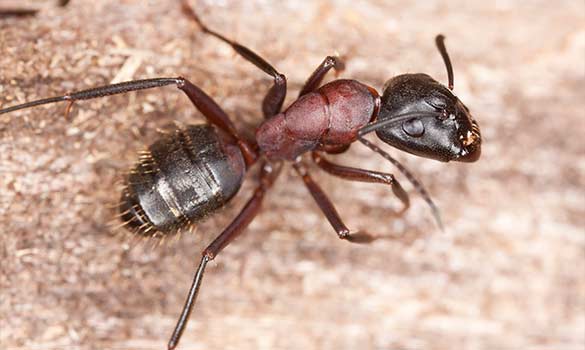
Carpenter ants are one of the most destructive pests affecting Alaska homes. They do not eat wood, but excavate it to build nests, creating extensive galleries that can weaken structural supports over time. In some cases, repairs become necessary if the colony is left untreated.
A single colony may include a primary nest and one or more satellite nests. Satellite nests often contain mature larvae and worker ants, and these are typically responsible for ongoing structural damage. In heated buildings, indoor nests can remain active through winter at a reduced level, allowing the infestation to continue growing.
Early identification and targeted treatment are essential to eliminate the entire colony and protect your home or business from further damage.
Our pest control products utilize an advanced “undetectable” technology inside your home to eliminate ants quickly and completely. Over-the-counter sprays and ant repellents can cause ants to separate from their main nest, making matters even worse as they start new colonies. This is called “budding.”

That’s why we use an advanced, undetectable treatment applied outside your home or business where ants live. Ants never know it is there, so they can’t react to it or avoid it. Instead, they pick it up on their bodies and take it home with them, where they then spread it to all the other ants in the colony, killing the whole nest – guaranteed.

We use insecticides that utilize a process where the product transfers from one individual to another, affecting the entire population of ants. Even if an ant never directly contacts the pesticide or the treated area, we can get them. When ants contact our products, they carry it on their bodies and pass it on to any ants they subsequently encounter. Those ants pass it on to more ants, who continue the process of transferring it throughout the nest.

Our ant gel (and Arena’s) contains a unique active ingredient that is the only member of its class of chemistry, the oxadiazines, so it performs like no other insecticide. Based on its excellent environmental and toxicological profile, this new technology from DuPont Professional Products is in a select group of insecticides to receive reduced-risk classification under the U.S. Environmental Protection Agency’s Reduced-Risk Program.

  • It has a very new and unique mode of action.
  • These pesticides work through metabolic activation – that means the insects’ own internal enzymes change the molecular structure and attributes of the compound into a more potent form of insecticide.
  • These products are used at very low levels often, making these some of the most effective and safe choices in pesticides you can make.

Spiders

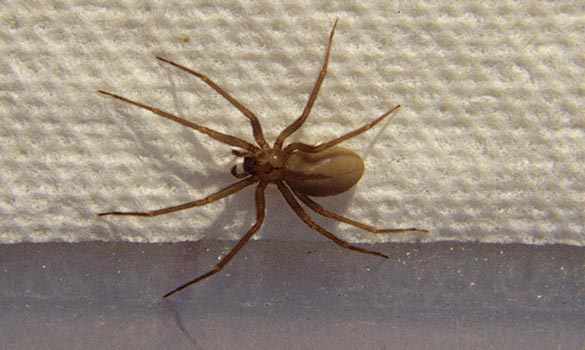
Spiders are a common concern in Alaska homes, especially in Kenai and Anchorage. They often gather in corners, along railings, and around door frames. While most spiders found in Alaska are not harmful to people, their presence indoors can quickly become a nuisance.
Wolf spiders and other species are frequently seen in the fall as they move indoors seeking warmth. They are commonly found near doors and windows, in basements and garages, and around stored items or house plants. We provide targeted, people-friendly and pet-friendly treatments designed to reduce spider activity indoors and around entry points. Our approach focuses on both removal and prevention to help keep your home comfortable year-round.
Cockroaches

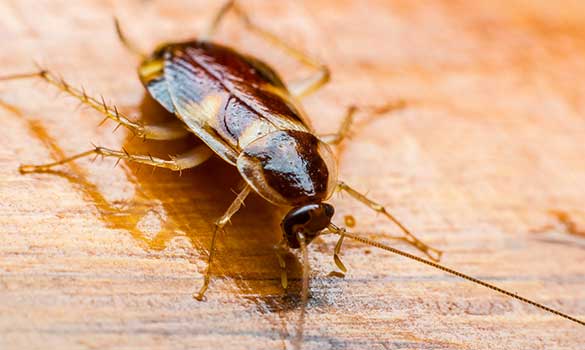
Cockroaches are a serious sanitation concern in homes and businesses. As they move through drains, garbage areas, and other contaminated spaces, they can transfer bacteria onto food preparation surfaces and utensils.
American cockroaches are often associated with sewer systems and may carry organisms linked to illnesses such as Salmonella. German cockroaches are commonly found indoors and are known to contaminate surfaces with bacteria picked up from unsanitary areas. Their presence has also been associated with increased asthma symptoms in individuals who are sensitive to cockroach allergens.
Prompt, targeted treatment is important to eliminate active infestations and reduce health risks inside the home or workplace.
Cockroaches spread human disease by depositing disease organisms on food and utensils. The American Cockroach, which comes into contact with human excrement in sewers or with pet droppings, may transmit bacteria that cause Salmonella and Shigella. German Cockroaches are believed to transmit disease-causing organisms such as Staphylococcus, hepatitis, and coliform bacteria. They also have been implicated in the spread of typhoid and dysentery. Recent studies have found a strong association between the presence of cockroaches and increases in the severity of asthma symptoms in individuals who are sensitive to roach allergens.

Roaches never warned you before they invaded your home. So why warn them before you get rid of them? Our pest control products utilize an advanced “undetectable” technology inside your home to eliminate ants and cockroaches quickly and completely.

Our roach gel (and Arena’s) contains a unique active ingredient that is the only member of its class of chemistry, the oxadiazines, so it performs like no other insecticide. Based on its excellent environmental and toxicological profile, this new technology from DuPont Professional Products is in a select group of insecticides to receive reduced-risk classification under the U.S. Environmental Protection Agency’s Reduced-Risk Program.

  • It has a very new and unique mode of action.
  • These pesticides work through metabolic activation – that means the insect’s own internal enzymes change the molecular structure and attributes of the compound into a more potent form of insecticide.
  • These products are used at very low levels often, making these some of the most effective and safe choices in pesticides you can make.

Rodents

Rodents can cause significant damage inside homes and businesses. They contaminate stored food, gnaw on electrical wiring and wooden structures, and tear insulation from walls and ceilings to build nests. Left unaddressed, infestations can grow quickly.
Rodents are also associated with the spread of bacteria and disease through their droppings and urine. In Alaska properties, their presence is often first noticed through damaged food packaging, gnaw marks, nesting materials, or visible droppings.
Prompt inspection and targeted exclusion are essential to eliminate active rodents and prevent re-entry. Our approach focuses on identifying entry points, removing activity, and protecting your property from future infestations.
Early identification and targeted treatment are essential to eliminate the entire colony and protect your home or business from further damage.
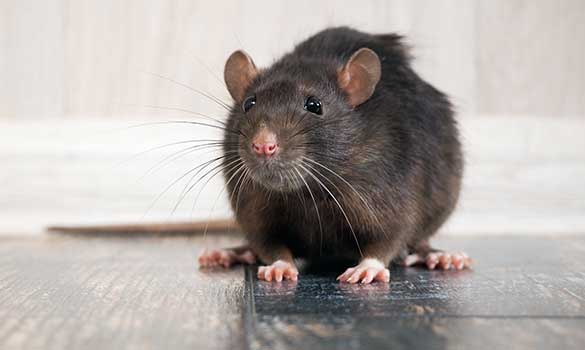
Mice and shrews are not just pests; they are integral to the ecosystem. Mice serve as vital food sources for predators like owls and foxes. Shrews, although small, have a rapid metabolism and help control insect populations. The Northern Short-tailed Shrew, often found in diverse habitats, even uses venom to capture prey. These animals are active foragers and indicate a rich and balanced environment. Though their eating habits make them problematic near human homes, their role in nature is essential.

Numerous small mammals, including mice, rats, and shrews, are found in domestic environments. The common house mouse, typically small and brown, features a pointed snout and a short tail. Northern Short-tailed Shrews are uniform gray-brown, lacking visible eyes or ears. Identifying these species is crucial for controlling infestations and assessing the health risks associated with rodents and their droppings, known to spread disease. It is vital to ensure environments are free from nests or burrows to maintain health and safety.

Mice can be a health hazard as well as CHEW through wiring and cause house fires, burning down your entire house or chew the wiring of your car up and make ut a fire hazard so it is important to keep control of these little varmints!
They also can spread diseases. House mice do not carry hantavirus; the virus is spread by wild rodents like the deer mouse. While deer mice are the most common carriers in the western U.S., other wild mice and rats can also transmit the virus. The disease, known as Hantavirus Pulmonary Syndrome (HPS), is a serious illness that is transmitted through contact with infected rodent urine, feces, or saliva The mortality rate for hantavirus pulmonary syndrome (HPS) is high, ranging from 30% TO 50%
Do not have contact with rodent feces or urine!

After a thorough inspection to determine which species we’re dealing with, we’ll create an effective program to keep your home rodent-free. Our rodent control program has five important steps:

  1. A thorough inspection to identify the species, where they’re nesting, and what factors are attracting them
  2. Creating effective sanitation so that rodents are denied both food and hiding places
  3. Eliminating the population by applying poison, bait, and traps
  4. Eliminating all potential entry points
  5. Monitoring to keep you rodent-free


Safety is a Priority

  • We use bait stations to ensure the poison stays where we put it, not where children and pets can get it. We also can use live traps or glue boards.
  • The products we use even work where other food sources are available.
  • It is proven to be highly effective in restaurants, lodges, homes, and any other place mice or rats might be.

Addressing small mammal infestations involves using varied methods and techniques for effective control. Snap traps and live traps are typically used at home for humane capture of mice and shrews. Using baits enhances trap efficiency. Pest control experts suggest placing traps along walls and suspected activity sites. Removing nesting materials like leaves or fabrics aids population control. Follow best practices in trap application to significantly lessen infestations.

Preventing infestations of small mammals in homes begins with regular upkeep and cleanliness. Mice and shrews often invade buildings seeking shelter and food, particularly during colder seasons. Sealing entry points, such as gaps around pipes and windows, serves as an effective deterrent. Storing food in sealed containers and clearing away droppings and urine in attics, basements, or garages maintains a clean environment and prevents disease spread. Monitoring for gnawing signs on materials and repairing damages are vital steps to exclude rodents.

Spruce Beetle

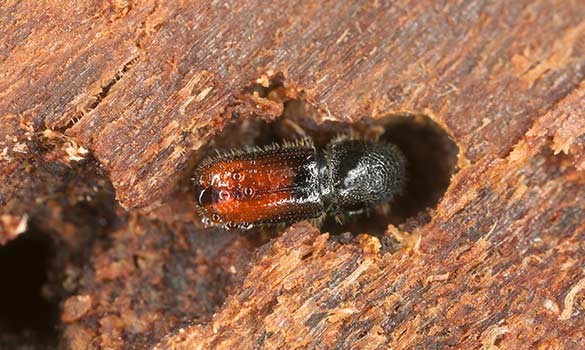
Spruce beetles are small, about 1/4 inch long, but they can cause significant damage to both live and recently dead spruce trees in our area. Periodic outbreaks in Southcentral Alaska have led to widespread tree loss when conditions favor beetle activity.
Early signs of attack often include fine reddish-brown dust along the bark or at the base of the tree. As infestation progresses, needles may fade from green to yellow and eventually turn reddish-brown.
Maintaining tree health is critical to prevention. We offer targeted preventative treatments designed to protect high-value spruce trees from infestation. Timely application and monitoring can help reduce the risk of beetle damage and preserve the health of your landscape.
Stinging Insects

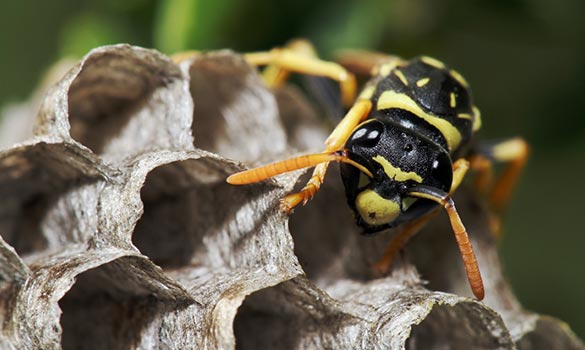
Wasps and yellow jackets can become aggressive when their nests are disturbed. Unlike bees, they are capable of stinging more than once, which can be painful and potentially serious for individuals with sting allergies.
Nests are commonly found under eaves, inside wall voids, in attics, or in the ground. Increased activity around entry points or landscaping may indicate a nearby colony.
Safe removal requires proper equipment and experience. Our team uses targeted treatments to eliminate the colony and reduce the risk of repeat activity, with people-friendly and pet-friendly practices whenever possible.
Yellowheaded Sawfly

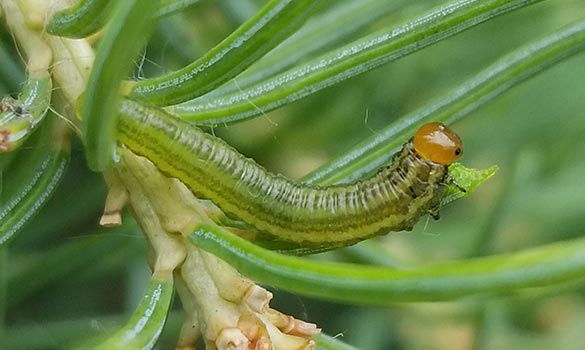
Adult yellowheaded sawflies are stingless, wasp-like insects measuring about 1/3 inch long. While the adults are short-lived and do not sting, their larvae feed in groups on spruce needles and can defoliate trees throughout Southcentral Alaska.
Infestations are often first noticed when spruce needles begin thinning or when clusters of larvae are visible feeding on branches. Early identification is important to protect tree health and prevent repeated seasonal damage.
We provide targeted treatments designed to reduce larval populations and protect your spruce trees. Biological treatment options are available, and all applications are performed with people-friendly and pet-friendly practices in mind.

FAQ

ask us
anything

We offer comprehensive pest control services for a wide variety of pests, including bed bugs, rodents, ants, spiders and more. Our services are tailored to be effective while remaining friendly for people, pets, and the environment.

Yes! Eagle Pest Control & Tree Service specializes in environmentally friendly and people and pet friendly methods. Our goal is to protect your home while prioritizing the health and safety of your family, pets, and the planet.

We’ve led the way in Alaska for over 23 years by introducing innovative, low-risk pest control solutions. We were the first in the state to:

  • Use heat treatment to eliminate bed bugs
  • Implement Thermal Remediation®

We are committed to providing cutting-edge and responsible pest control. Such as Biological sprays.

Thermal Remediation® is a heat-based treatment method that effectively kills bed bugs and their eggs without the use of chemicals. It’s efficient and ideal for those looking for a non-toxic solution.

Absolutely. One of our top priorities is safety. We carefully select products and techniques that are non-toxic and family-friendly, ensuring peace of mind for households with kids and pets.

Yes! We were the first in Alaska to use K-9 bed bug detection teams. Our trained dogs are highly effective at detecting bed bug infestations early, which helps us treat the problem faster and more accurately.

Randy was the first to use heat treatments for bed bugs. The first to use Transferable products that go back to the nest and kill the whole nest !
House mice, and voles are the most common rodents we see in homes and businesses across Alaska. These pests often seek shelter indoors during the colder months and can contaminate food, chew wiring, and damage insulation.

Typical signs include droppings, gnaw marks, scratching sounds in walls or ceilings, and nesting materials like shredded paper or fabric. If you see one rodent, there are likely more nearby. Our team can inspect your property and create a safe, targeted treatment plan.

Yes. Rodents can chew through electrical wires (a fire hazard), destroy insulation, and damage food supplies. They’re also known carriers of disease, making professional treatment important for health and safety.